Stay up to date with the latest news
Subscribe to our telegram channel

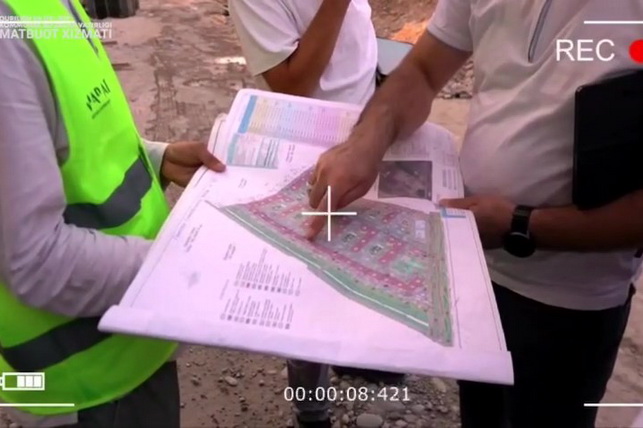
Uzbekistan Enacts Urban Renewal Law, Takes Effect December 2026
Tashkent, Uzbekistan (UzDaily.com) — Uzbekistan Signs Urban Renewal Law Requiring 80% Owner Consent, Guaranteeing Like-for-Like Compensation
Uzbekistan has enacted a comprehensive urban renovation law establishing the legal, organizational, and financial framework for redeveloping dilapidated and emergency housing — including reconstruction, demolition, and new construction — with the legislation taking effect in mid-December 2026.
President Shavkat Mirziyoyev signed the law after it cleared the Legislative Chamber on September 9, 2025 and received Senate approval on April 7, 2026. The law governs the full lifecycle of renovation projects, from initiation through owner compensation to commissioning of completed facilities.
Grounds for designating a territory for renovation include structural emergency status, severe physical deterioration, or conditions materially degrading residents' quality of life. Projects may take three forms: reconstruction without altering load-bearing structures, demolition followed by new construction, or the creation of public spaces and green zones — with combinations of approaches permitted within a single programme.
Renovation may be initiated by government bodies, property owners, or private investors, but a minimum of 80 percent of rights holders within the affected territory must consent before any project can proceed.
The law enshrines a set of binding principles: voluntary participation, primacy of owners' rights, inviolability of private property, and a guaranteed improvement in citizens' property position following completion. Owners will choose their form of compensation from options including new housing, an alternative property, a cash payment, or other arrangements by mutual agreement. In all cases, the replacement property must be no worse in quality or floor area than the original, and temporary housing must be provided during the construction period. Transparency and public oversight requirements will be enforced through a dedicated electronic platform.
Dedicated renovation funds will be established at both national and regional levels, drawing on budget allocations, international financial institutions, and other lawful sources including private investment. State oversight of renovation programmes falls to relevant ministries and regional administrations, with property rights disputes to be resolved through the courts.
The Cabinet of Ministers is required to adopt implementing regulations during the transitional period before the law enters force.