Stay up to date with the latest news
Subscribe to our telegram channel

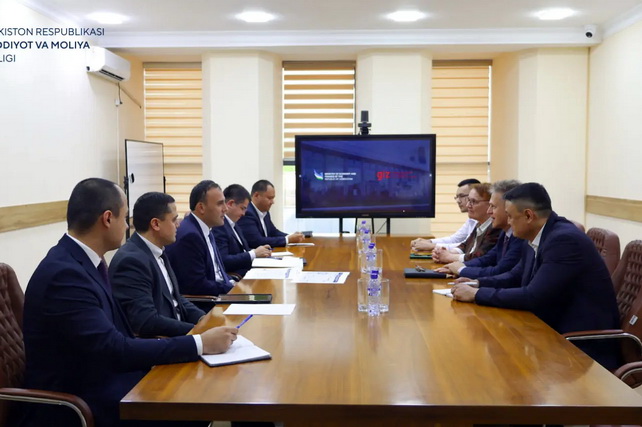
Uzbekistan and GIZ Expand Cooperation on Master Plans
Tashkent, Uzbekistan (UzDaily.com) — On 30 April, First Deputy Minister of Economy and Finance of Uzbekistan Ilkhom Norkulov held talks with Joachim Fritz, Head of the German Agency for International Cooperation (GIZ) in Uzbekistan, and Project Manager Beate Schoreit.
The meeting was also attended by representatives of the Ministry of Economy and Finance, GIZ, the UzAgrostar holding and other officials.
The sides reviewed the current status of ongoing initiatives and discussed further areas of cooperation in the development of master plans. It was noted that comprehensive development strategies have already been prepared for 12 districts under previously allocated GIZ grant funding.
Participants also highlighted the results of 24 pilot projects implemented across different regions of the country. These include a 500-hectare agro-tourism complex in Shakhrisabz district, as well as vocational training centers established in Amudarya, Chimbay, Bukhara, Kattakurgan, Mirishkor, Khiva and Khazarasp districts.
Additional initiatives cover intensive fish farming development, the introduction of energy-efficient heat pump systems in social infrastructure facilities, and the creation of IT and handicraft centers. The total volume of grant financing for these projects amounted to 1.3 million euros.
To move toward a more structured implementation of master plans, the parties signed an implementation agreement for the period 2026–2029. The document provides for 9 million euros in grant funding for the development of new master plans and financing of green pilot projects.
Future cooperation will place special emphasis on the use of artificial intelligence and modern analytical tools in the design and implementation of development strategies. Green projects based on master plans will continue in 12 districts, with additional initiatives planned in Bakhmal, Boysun and Sokh districts involving international and local experts.
The agreement also includes seminars, training sessions and capacity-building programs for project office staff and private sector representatives, aimed at strengthening skills in strategic planning and project implementation.
At the conclusion of the meeting, both sides confirmed their commitment to long-term, systematic cooperation focused on the effective implementation of agreed projects and the achievement of sustainable results.