Stay up to date with the latest news
Subscribe to our telegram channel

Uzbekistan Parliament Eyes UN Human Rights Protocol Ratification
Tashkent, Uzbekistan (UzDaily.com) — Uzbek Lawmakers Engage UN Experts on Ratifying Individual Complaint Mechanisms
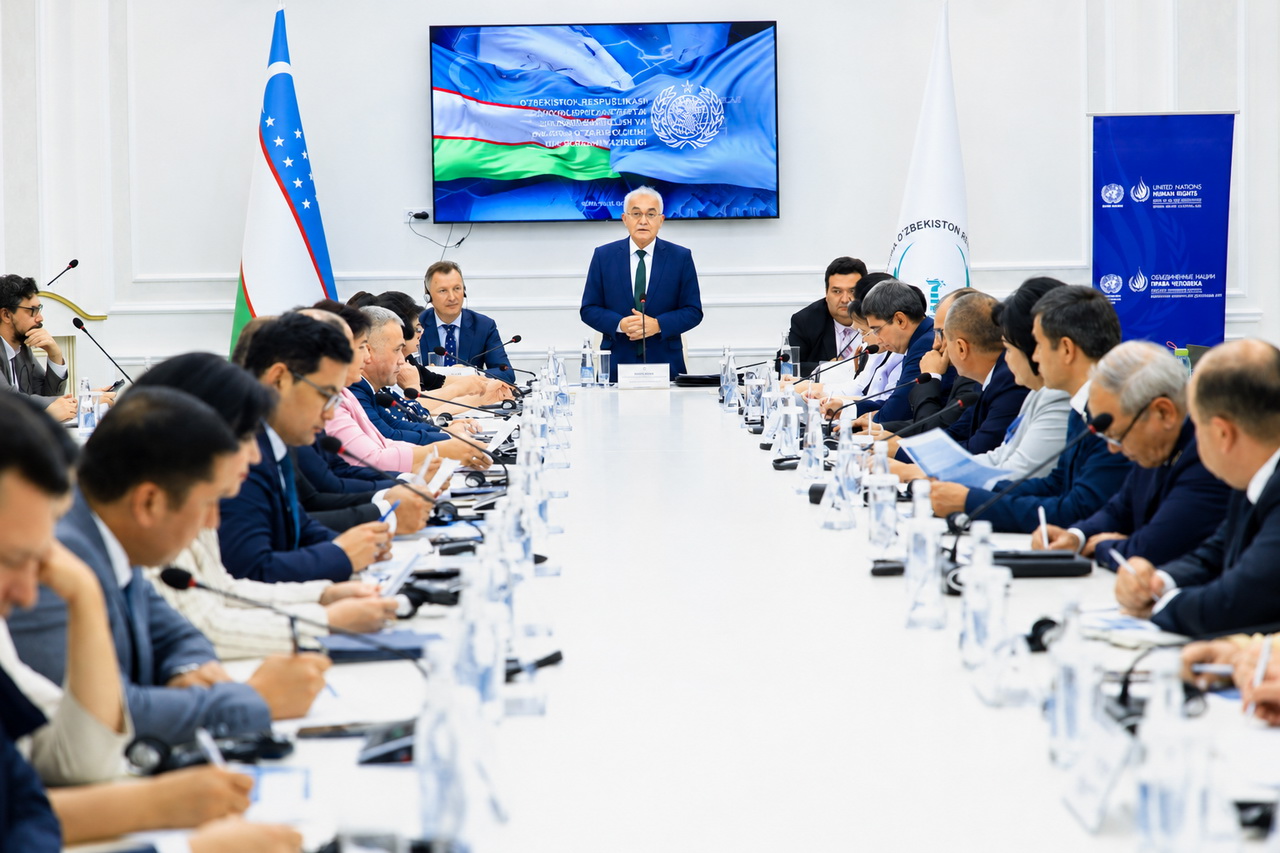
Uzbekistan's parliament is weighing deeper integration with United Nations human rights oversight systems, as legislators and international experts convened in Tashkent on June 11 to examine the legal and institutional implications of ratifying optional protocols that allow citizens to file individual complaints with UN treaty bodies.
The hybrid-format seminar, held at the National Human Rights Centre of Uzbekistan, was co-organized with the UN Office of the High Commissioner for Human Rights (OHCHR) and its Regional Office for Central Asia, with participation from the Inter-Parliamentary Union (IPU) and the International Commission of Jurists (ICJ).
Members of both chambers of the Oliy Majlis — the Legislative Chamber and the Senate — attended alongside national human rights officials and international specialists.
The session was opened by Akmal Saidov, Director of the National Human Rights Centre and a sitting member of the UN Human Rights Committee, alongside OHCHR Central Asia Acting Regional Representative Ennio Boati and IPU representatives.
Four thematic sessions examined the UN human rights system and the role of parliaments; individual complaint procedures under optional protocols; implementation of treaty body decisions; and the potential consequences of ratification for Uzbekistan's legal order.
Participants drew a direct line between the seminar and President Shavkat Mirziyoyev's address to the 46th session of the UN Human Rights Council in February 2021, in which he reaffirmed Uzbekistan's commitment to international human rights obligations and signaled openness to strengthening cooperation with multilateral institutions.
Constitutional underpinnings were also highlighted. Article 55 of Uzbekistan's Constitution guarantees citizens the right to appeal to international human rights bodies after exhausting all domestic legal remedies, while Article 56 defines the role of national human rights institutions in providing additional protective mechanisms.
Experts from OHCHR, the IPU, the ICJ, and the National Centre presented comparative analysis of how individual complaint mechanisms function in other jurisdictions, and how treaty body decisions are implemented in practice.
The seminar concluded with a consensus that closer coordination between parliament, national human rights institutions, and UN mechanisms remains essential — and that expert dialogue on accession to optional protocols should continue. Organizers described the event as a concrete step in implementing Uzbekistan's National Human Rights Strategy and broadening the country's engagement with the UN's international human rights architecture.